How Often Should Digital Signage Content Be Updated?
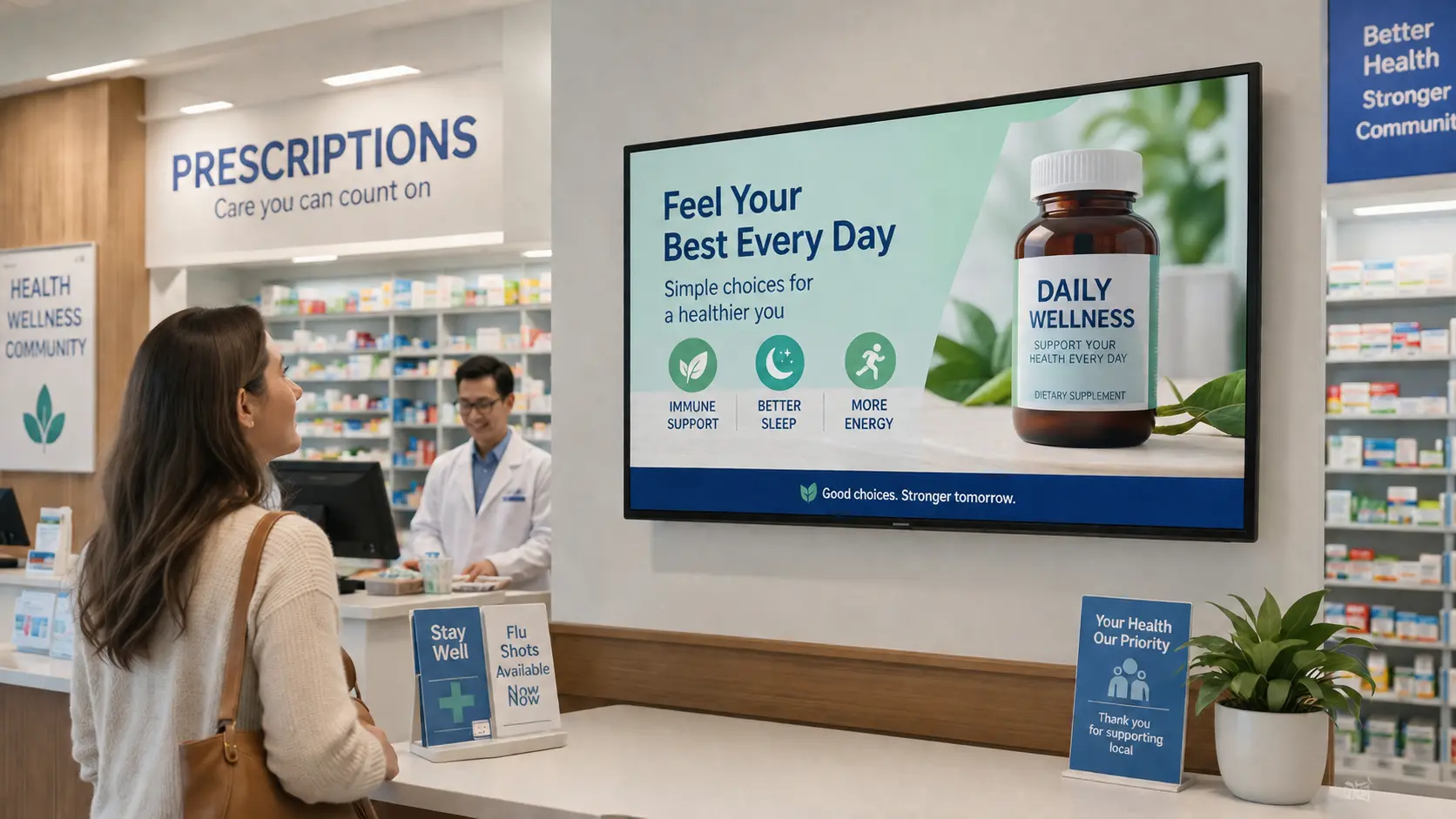
Digital signage content should be updated regularly to align with your business goals, audience behavior, and campaign type. Most businesses refresh content weekly or bi-weekly, while time-sensitive promotions may require daily updates. A consistent update schedule keeps content relevant, maintains viewer engagement, and ensures messaging aligns with current campaigns.
What Determines How Often You Should Update Content?
You want your digital signage to capture attention and deliver value every time someone sees it. The right update frequency makes that happen; this depends on how your screens are used and what your audience expects to see.
Key factors include:
Type of business (retail, gym, restaurant, corporate)
Content purpose (seasonal promotion, time-sensitive information, branding)
Foot traffic and audience frequency (new visitors vs repeat customers)
Campaign duration and goals
Certain locations require more frequent updates due to visibility and engagement levels:
Entrance and reception areas: First impression matters
High-traffic zones: Content is seen repeatedly
Point-of-sale areas: Influences immediate decisions
Recommended Update Frequency by Use Case
Digital signage content should be updated 2 to 3 times per day for locations with steady foot traffic. This keeps messages fresh and relevant.
Daily Updates
Best for fast-changing environments where timing matters.
Examples:
Restaurants updating menus or daily specials
Gyms rotating class schedules or announcements
Retail stores running flash sales
Why it works:
Keeps content aligned with daily operations and current offers.
Weekly Updates
Ideal for maintaining freshness without constant changes.
Examples:
Retail promotions for the week
Gym workout tips or featured programs
Corporate internal communications
Why it works:
Balances consistency with regular engagement.
Bi-Weekly or Monthly Updates
Works well for stable messaging and long-term campaigns.
Retail Stores (Weekly Updates)
Retail environments benefit from frequent updates to match promotions and inventory.
Example:
Week 1: New arrivals campaign
Week 2: Discount promotions
Week 3: Seasonal offers
This keeps shoppers engaged and encourages repeat purchases.
Gyms (Bi-Weekly or Monthly Updates)
Gym members visit regularly, so content should stay fresh without changing too often.
Example:
Week 1–2: Class schedules + fitness tips
Week 3–4: Personal training promotions
This schedule helps maintain consistency while introducing variety.
Restaurants (Daily or Time-Based Updates)
Restaurants often use scheduled updates throughout the day.
Example:
Morning: Breakfast menu
Afternoon: Lunch deals
Evening: Dinner specials
Content changes automatically based on time settings.
Corporate Offices (Monthly or As Needed)
Corporate screens focus on internal communication and updates.
Example:
Monthly: Company announcements
Weekly: Performance highlights
Immediate: Urgent notices
This schedule keeps employees informed and aligned with company goals.
Barbershops (Weekly Updates)
Barbershops benefit from weekly updates to keep up with current styles, promotions, and customer demand.
Example:
Week 1: New haircut styles and trends campaign
Week 2: Beard grooming and hot towel shave specials
Week 3: Kids' cuts and family package offers
This update keeps clients interested and encourages them to return regularly for fresh looks
How to Structure an Update Plan
A simple structure helps maintain consistency:
1. Plan Ahead
Create a content calendar based on campaigns and events.
2. Schedule Content
Use your dashboard to automate when content appears.
3. Rotate Content
Avoid repeating the same visuals for long periods.
4. Review Performance
Track engagement and adjust based on results.
Signs Your Content Needs Updating
Promotions have expired
Engagement has dropped
Content looks repetitive
Seasonal campaigns are not reflected
Benefits of Updating Content Regularly
Keeps messaging relevant and accurate
Improves audience engagement
Supports active campaigns and promotions
Maintains a consistent brand presence
Best Practices for Managing Content Updates
Choose a content management system like Beam that lets you schedule changes in advance.
Create a weekly calendar for routine updates
Use templates so new content fits your brand instantly.
Review performance data to see which updates get the most views.
Use high-quality visuals and short messaging
Test updates before publishing across all screens
Common Mistakes to Avoid
Leaving outdated content on screens
Updating too frequently without a clear strategy
Repeating the same content for long periods
Ignoring audience behavior and peak times
Failing to schedule content properly
Summary
Digital signage content should be updated based on your business type, audience, and campaign goals. A structured update plan ensures content stays relevant, supports ongoing promotions, and keeps viewers engaged across all locations.
Sources
Path to Purchase Institute: "Majority of Shoppers Make Unplanned Purchases Based on In-Store Marketing" https://p2pi.com/majority-shoppers-make-unplanned-purchases-based-store-marketing
BrightLocal: "Local Consumer Review Survey 2025" https://www.brightlocal.com/research/local-consumer-review-survey-2025/
OAAA and The Harris Poll: "New Study Finds Digital Out of Home Advertising Surpasses Other Media in Driving Favorability and Action Among Consumers" (2024) https://oaaa.org/news/new-study-finds-digital-out-of-home-advertising-surpasses-other-media-in-driving-favorability-and-action-among-consumers/
How often should small businesses update digital signage?
Small businesses typically update content weekly, with more frequent updates for promotions or events.
Can I schedule content updates in advance?
Yes. Most digital signage platforms, like Beam, allow you to schedule updates so content changes automatically at set times.
What happens if I don’t update my content regularly?
Content can become outdated, which reduces engagement and affects how your audience responds to your messaging.
Is daily updating necessary for all businesses?
No. Daily updates are most useful for businesses with frequent changes, such as restaurants or gyms.
What type of content should be updated frequently?
Promotions, event announcements, and time-sensitive offers should be updated regularly.